
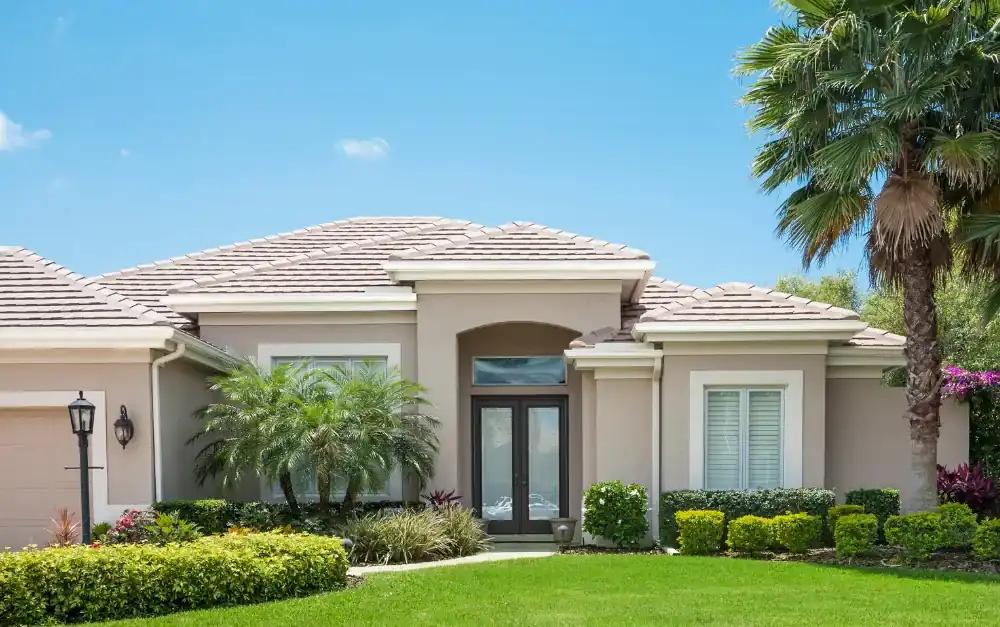
HVHZ-rated tile + fastener systems
Every tile system we install passes TAS 101/102/103 HVHZ wind-uplift testing. Tile + clip + fastener pattern is engineered per the wind-load calculation; nothing is field-improvised.
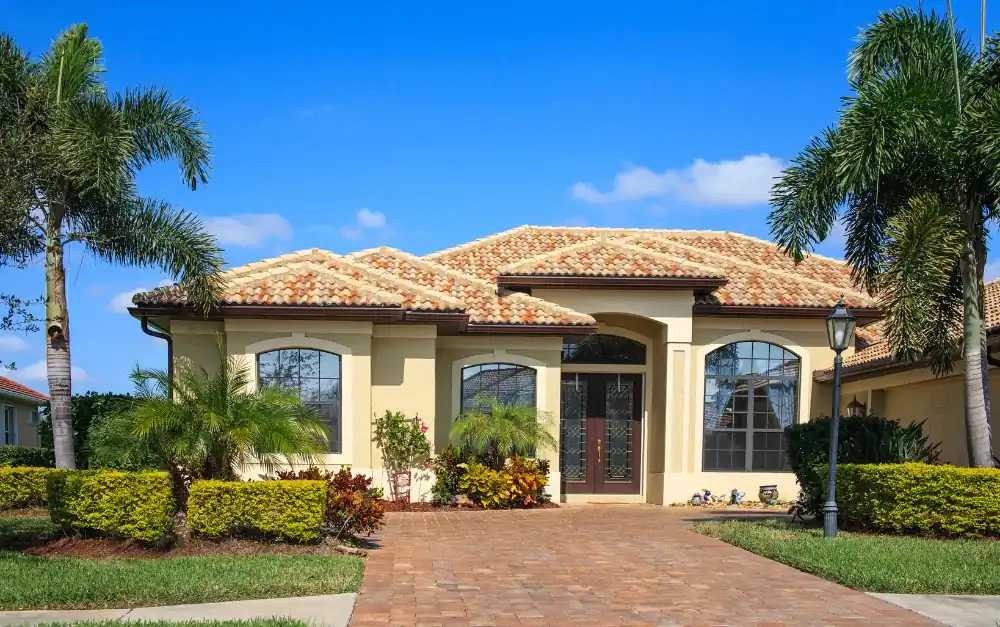
Concrete and clay tile roofing is South Florida's signature aesthetic — Mediterranean barrel, flat-profile, and high-profile S-tile configurations that read as 'this is a Florida home' from a half-mile away. SafeGuard installs Eagle, Boral, and MCA tile systems under FL DBPR Roofing Contractor license CCC1336241 — full permit pathway, dry-in + final inspections, and the wind-mitigation report your insurer needs.
Reviews
Mediterranean · long-hold · architectural
Every tile system we install passes TAS 101/102/103 HVHZ wind-uplift testing. Tile + clip + fastener pattern is engineered per the wind-load calculation; nothing is field-improvised.
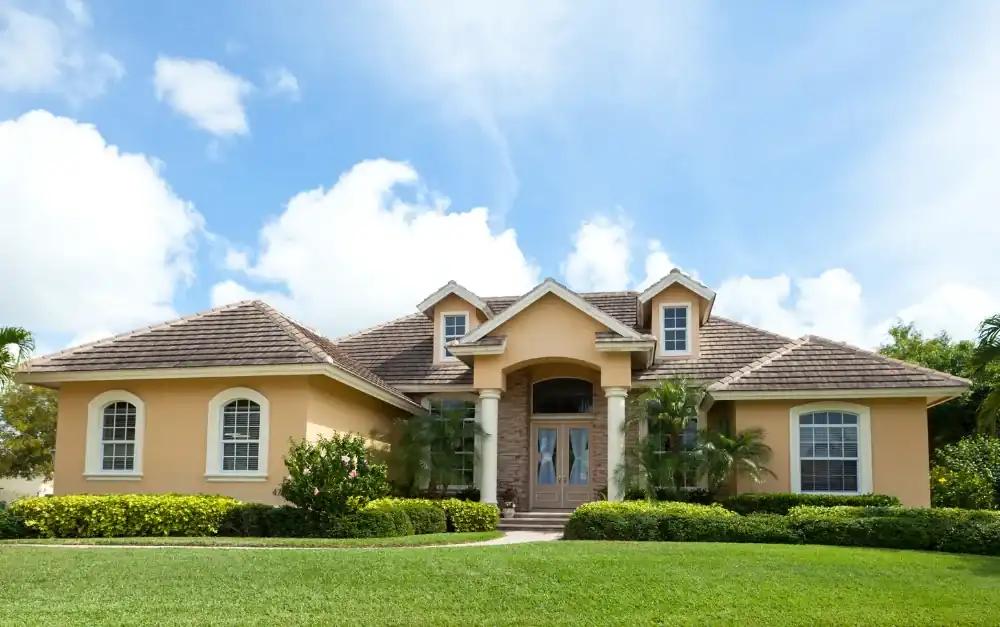
Florida requires a Certified Roofing Contractor license to pull a tile roof permit. SafeGuard files under CCC1336241 and runs the deck-load calculation upfront — surprises don't show up at tear-off.
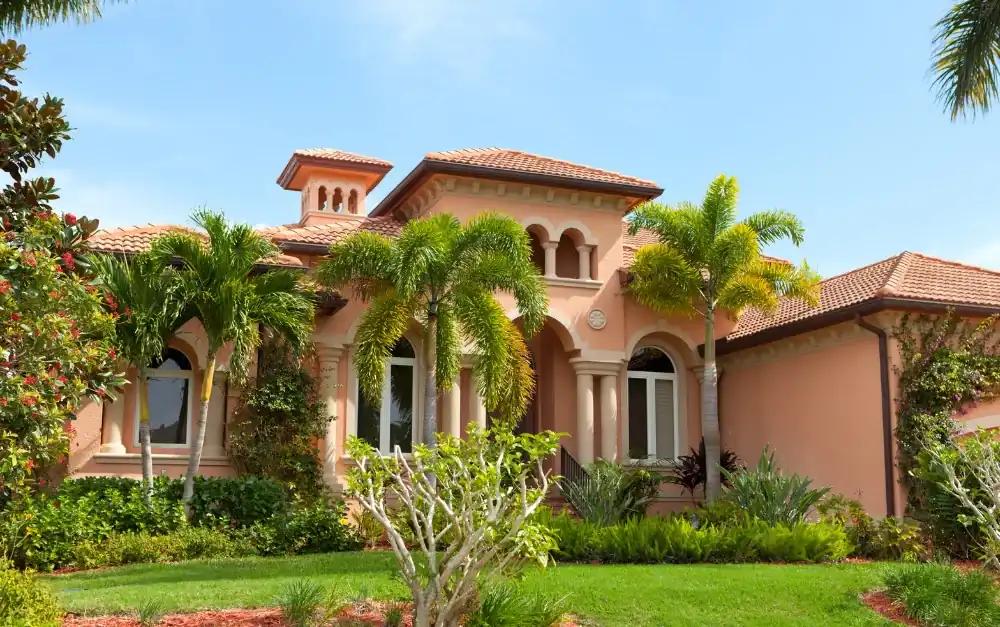
We install the four major South Florida tile manufacturers across concrete and clay categories. Profile selection (flat / S-tile / barrel) is driven by architecture + HOA + budget, not by what the supply truck is carrying.
At a Glance
TL;DR
Tile roofing — concrete or clay — is the longest-lifespan roof system installed in South Florida, with concrete tile lasting 50+ years and clay tile commonly running 75+ years (some original Mediterranean Revival clay roofs in Coral Gables are still serving past 100). Tile carries the strongest aesthetic + resale-value impact in the coastal market and meets HVHZ wind-uplift requirements when the deck and fastener pattern are engineered correctly.
Concrete tile is the most-installed tile system in South Florida — Eagle Roofing Products, Boral (now Westlake Royal), and MCA are the three dominant manufacturers, with profiles ranging from flat-tile (modern low-profile) through barrel (Mediterranean S-tile) and high-profile mission tile. Manufacturer warranties run 50 years on the tile material itself; the underlying roof system (underlayment + flashings + fasteners) is the typical service item over the tile's lifespan.
Clay tile is the premium category — terracotta or ceramic-glazed Spanish-pattern roofing that runs 75+ years on a properly installed deck. The visible aesthetic is what most buyers think of as "Florida architecture" — and it commands the strongest resale-value premium of any roof system in the coastal market. Cost band runs ~25-40% higher than concrete tile for equivalent square footage. MCA, Ludowici, and Hanson are the active premium-clay-tile manufacturers we install.
The deck-load calculation matters. Concrete tile adds roughly 9-12 pounds per square foot of dead load to the roof; clay tile is lighter at 7-10 psf. Both are heavier than asphalt shingle (~3 psf). Older South Florida homes (pre-1992 Hurricane Andrew code) were often engineered for shingle and need a structural review before tile can be specified. SafeGuard runs the deck-load calc as part of the engineering submittal — homeowners don't need to pre-decide.
| Concrete tile | Clay tile | |
|---|---|---|
| Lifespan | 50+ years | 75+ years (some 100+) |
| Manufacturer warranty | 50-year material | Lifetime on premium clay |
| Cost band | $12-$25/sq ft installed | $15-$30/sq ft installed |
| Weight (dead load) | 9-12 psf | 7-10 psf |
| Color depth | Through-color (chip-resistant) | Surface glaze + natural |
| Color longevity | Some fade over 30 years | Permanent (kiln-fired) |
| Aesthetic | Modern + Mediterranean profiles | Traditional Spanish/Mediterranean |
| Resale value impact | Strong | Strongest in coastal market |
| Manufacturers | Eagle · Boral · MCA · Hanson | MCA · Ludowici · Hanson |
Answer
Flat-profile concrete tile reads as a contemporary aesthetic. Low-profile (S-curve) and high-profile (barrel / mission) read as Mediterranean Revival — the architectural style most South Florida homes built between 1920-1990 were designed for. Premium clay tile is reserved for high-end Spanish-style and historic-district installs.
Flat-profile concrete tile (sometimes called "shake-look" or "slate-look") gives the home a contemporary roof line — low silhouette, more modern aesthetic. Best fit for newer construction or homes where the architecture leans contemporary rather than Mediterranean. Eagle Capistrano, Boral Vermilion, and MCA Cool Roof flat tiles are the active product lines.
Low-profile S-tile is the most-installed tile profile in South Florida — moderate barrel curve, traditional Mediterranean read but with a smaller pan-and-cover footprint than full-barrel. Eagle Bel Air, Boral Saxony, and MCA Espana S-tile are the active product lines. Best fit for the typical South Florida single-family home with stucco walls and tile-friendly roof pitch (4:12 or steeper).
High-profile barrel / mission tile is the full Spanish-revival aesthetic — separate pan-and-cover construction, deepest barrel curve, the architectural look that reads as historic Mediterranean. Eagle Mission, Boral Capistrano, and MCA Roman Mission carry this profile. Best fit for historic-district installs and high-end custom-builder homes where the architect specs full-barrel by name. Heaviest of the tile profiles (deck-load review essential).
Premium clay — Ludowici, MCA Premium Clay, Hanson kilned clay — is the architectural-spec category for historic restorations and luxury custom builds. Permanent kiln-fired color, 75+ year lifespan, and the strongest resale-value impact of any roof material installed in South Florida.
From our project library
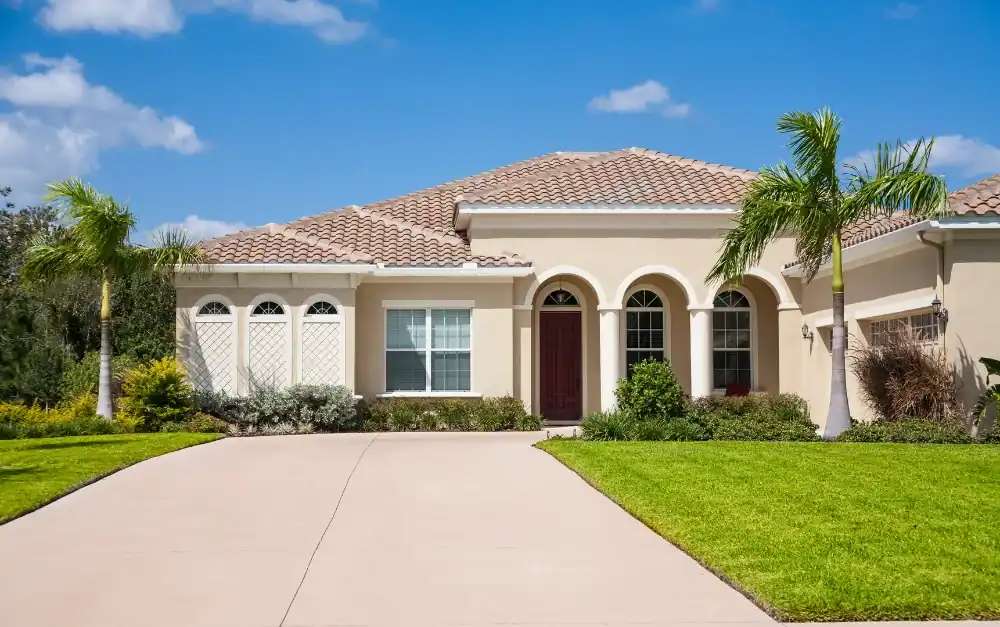
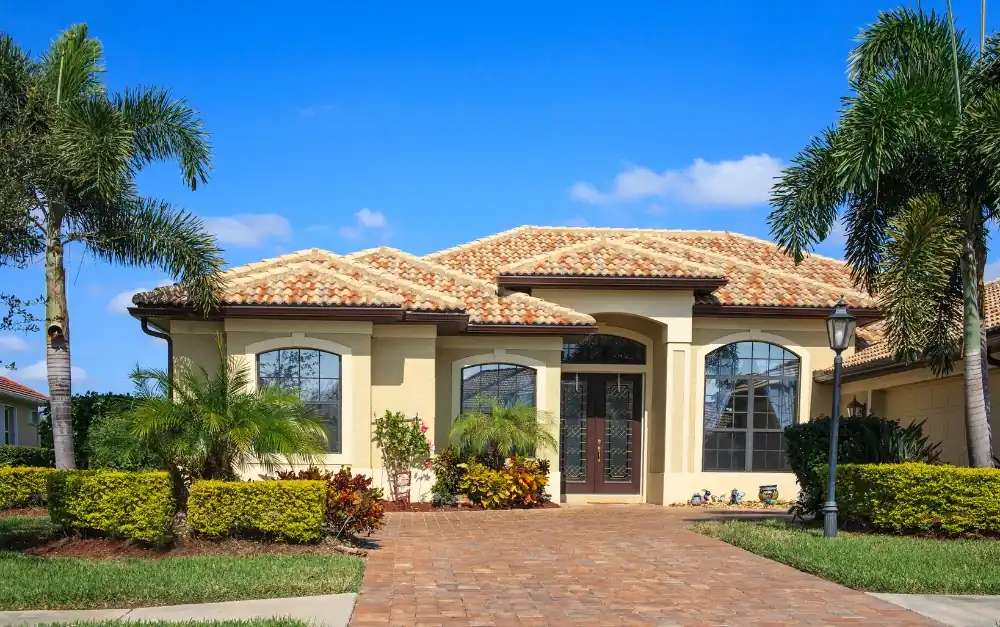
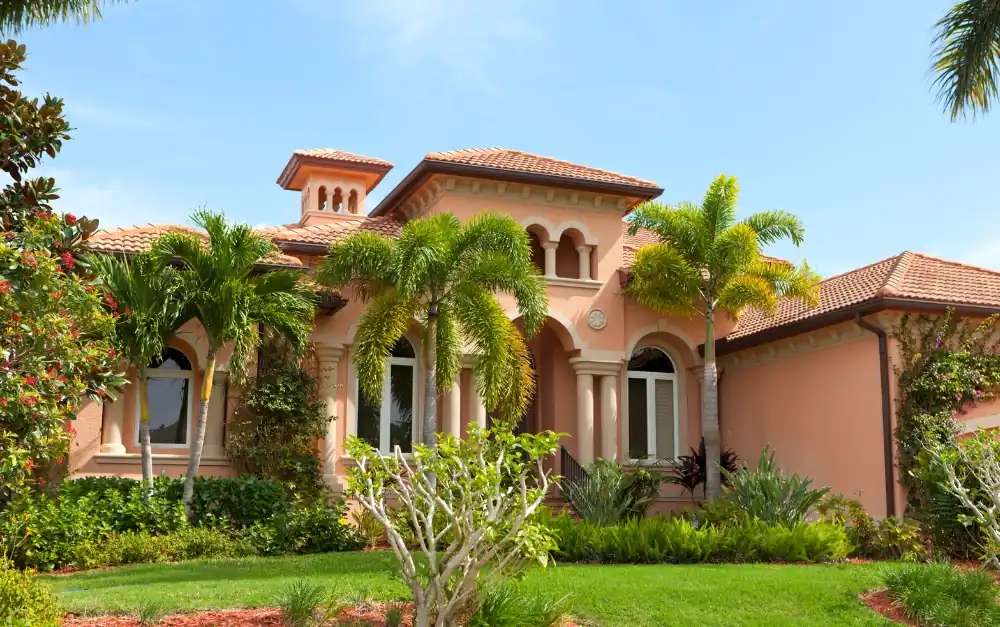
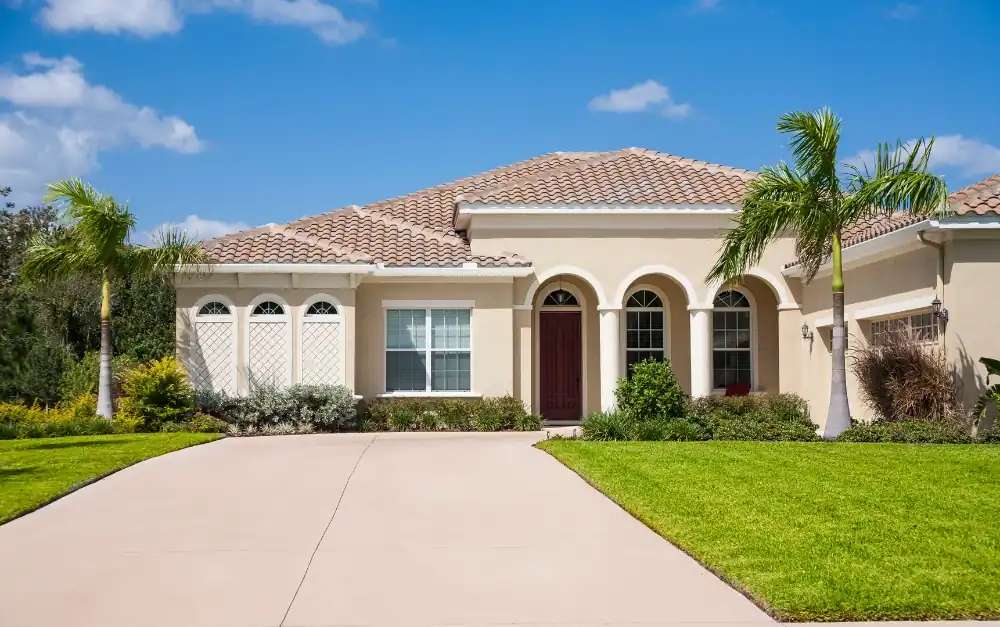
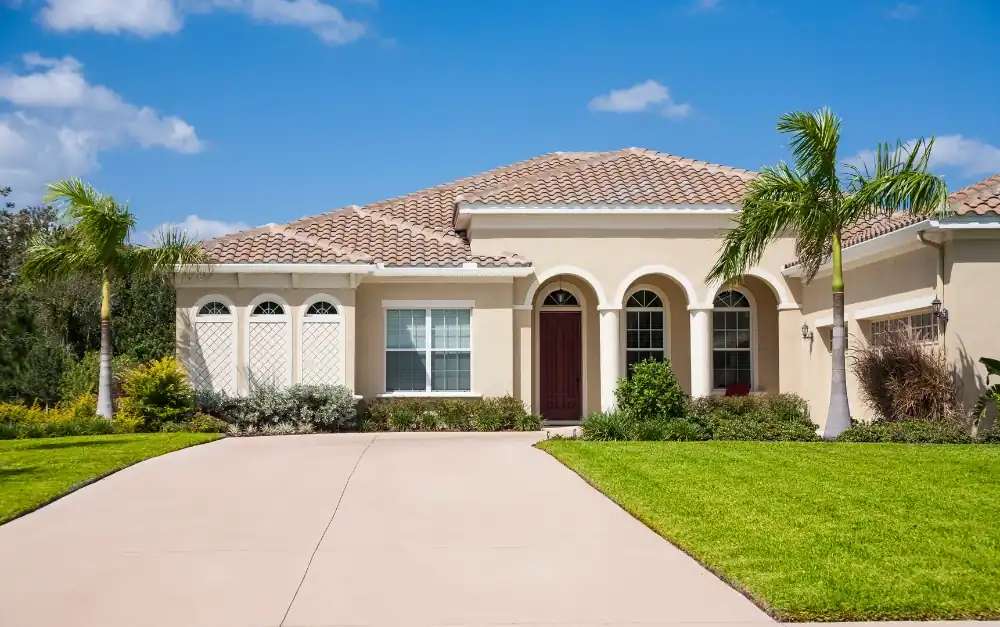
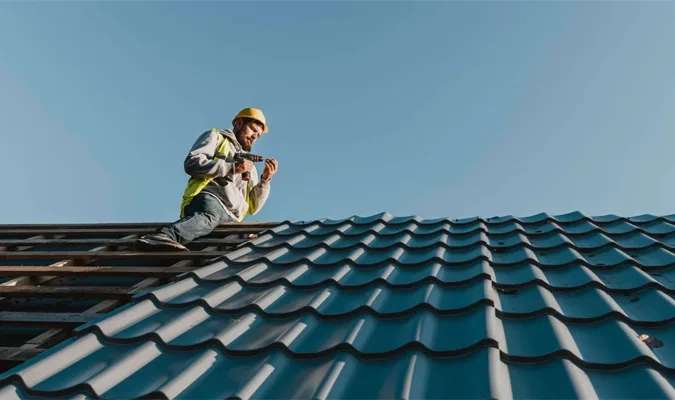
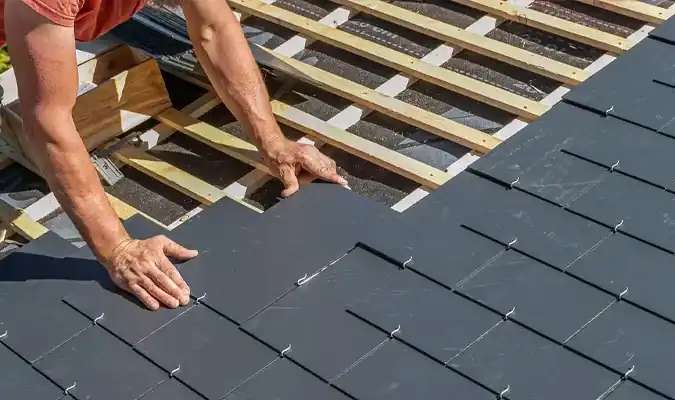
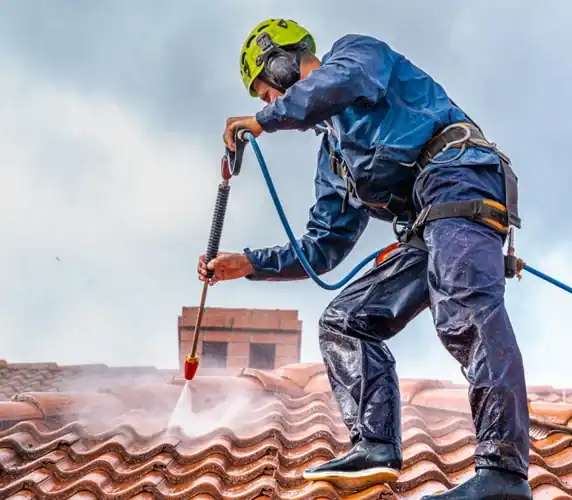
Real SafeGuard tile installs from the JobNimbus library — concrete S-tile, barrel tile, and clay tile across Mediterranean and historic-district homes.
Project scope
Eagle Bel Air, Boral Saxony, MCA Espana — moderate barrel curve, traditional Mediterranean read. The default for South Florida residential tile installs.
Learn moreLudowici, MCA Premium Clay, Hanson — 75+ year lifespan, permanent kiln-fired color, strongest resale-value impact. For historic districts + luxury custom builds.
Learn moreRemove existing tile, replace underlayment + flashings, re-lay the same tiles. ~30-40% the cost of a full new tile roof; extends roof life another 25-30 years.
Learn moreMost-installed residential system in South Florida. ASTM D7158 Class H wind rating (150 mph), 25-30 year warranty. GAF, Owens Corning, CertainTeed.
Learn moreHighest wind performance + 50+ year lifespan + max insurance discount. Drexel, Berridge, Englert systems.
Learn moreFull replacement on any of the four roof systems — shingle, tile, metal, flat. Full permit pathway, dry-in + final inspections, manufacturer warranty registration.
Learn moreFrequently asked
Concrete tile installation in South Florida runs $12–$25 per square foot installed depending on profile (flat lowest, barrel highest), manufacturer, and deck-condition surprises. Clay tile runs $15–$30 per square foot. A 2,000 sq ft single-family home with a concrete S-tile roof typically lands between $24,000 and $44,000 with permit; the same home with premium clay tile runs $30,000–$60,000. Cost includes tear-off, deck repair (priced per board if found), self-adhered underlayment, the tile + fasteners + ridge cap, dry-in + final inspections, and the wind-mitigation report.
Concrete tile: 50+ years on the tile material itself. Clay tile: 75+ years (some Mediterranean-Revival clay roofs in Coral Gables and Coconut Grove are still serving at 100+). The tile material outlasts the underlying roof system — the underlayment + flashings + fasteners are the typical service items, replaced every 25-30 years on what's called an 'underlayment refresh' (the tiles are removed, the old underlayment + flashings replaced, the same tiles re-laid). That underlayment refresh is typically 30-40% the cost of a full new tile roof.
Concrete tile is the default for most South Florida residential — strong wind rating, 50+ year lifespan, lower upfront cost, broadest profile selection. Clay tile is the premium pick — longer lifespan, permanent color, strongest resale-value impact, but ~25-40% higher cost. We recommend concrete for production homes and value-tier whole-home replacements; clay for historic-district installs, custom-builder homes, and any project where the architect spec'd clay by name.
Maybe — depends on your home's age and how it was originally engineered. Concrete tile adds ~9-12 pounds per square foot of dead load; clay adds ~7-10 psf; asphalt shingle is ~3 psf. Homes built after the 1992 Hurricane Andrew code revision were typically engineered to support tile. Older homes (especially pre-1980s) were often engineered for shingle and may need structural reinforcement before tile can be specified. We run the deck-load calc as part of the engineering submittal — if structural work is needed, we'll cost it separately so you know the total before committing.
Permit review runs 21–45 business days depending on jurisdiction. Once permitted, tile installation on a typical 2,000 sq ft single-family home runs 3-5 days for concrete and 4-6 for clay (slower because of more careful handling). Multi-day inspections — dry-in inspection happens between underlayment and tile loading, final after the tile + ridge cap install. We schedule the dry-in inspection during the install so the project doesn't lose days waiting on the inspector.
Yes — Florida insurers offer a wind-mitigation discount based on the roof's structural attributes. A new HVHZ-rated tile roof maxes out the roof-covering rating component (along with metal). The wind-mitigation report we provide at project close-out is what your insurance carrier uses to apply the credit. Discount magnitude varies by carrier but typically 15-35% off the wind portion of your premium for the roof's full lifespan.
Yes — solar-on-tile is common in South Florida, but the install is meaningfully more involved than solar-on-shingle. The mounting hardware (clamps, hooks, S5 brackets) must be tile-specific so the underlying tiles aren't broken or compromised. We coordinate with solar installers when the project is being scoped — best practice is to install both at the same time so the tile work and the solar mounting share a single permit and a single inspection cycle. Retrofit solar onto an existing tile roof is also possible but adds re-work to the dry-in.
Free in-home estimate that includes the tile-system comparison, deck-load calculation, and full permit pathway in writing — sealed plans, FPA verification per material, Notice of Commencement, and dry-in plus final inspections.
Content Disclosure
This article is provided for general information only and reflects current Florida Building Code requirements, common South Florida construction practices, and SafeGuard's field experience. Actual project costs, permit requirements, material availability, and timelines vary based on your home, municipality, and project scope. Florida law requires that any residential construction work over $1,000 be performed by a licensed contractor — always consult a Florida-licensed contractor before starting an impact-window, impact-door, or roofing project and verify credentials at myfloridalicense.com. This guidance is not a substitute for a project-specific estimate or on-site evaluation by a licensed professional.