
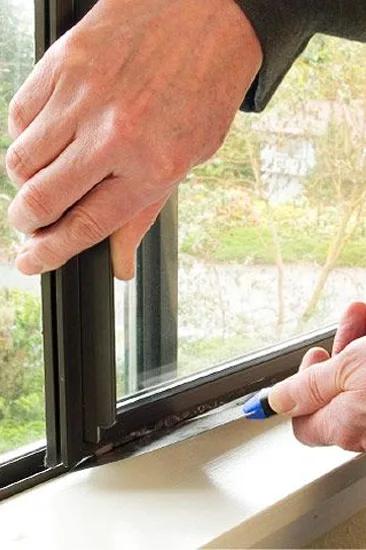
Strongest wind-load ratings in residential
Heavier extrusion + rigid frame geometry passes the ASCE 7 Exposure D wind calc on coastal openings where vinyl falls short. Required by code on most oceanfront installs.
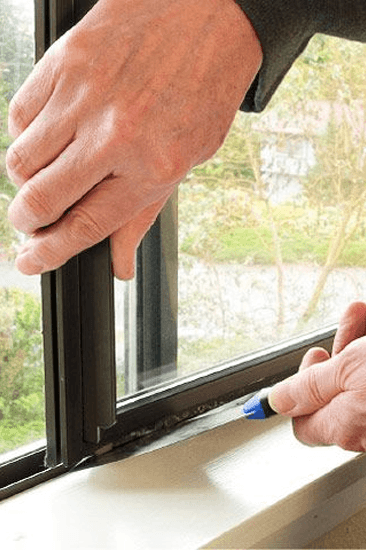
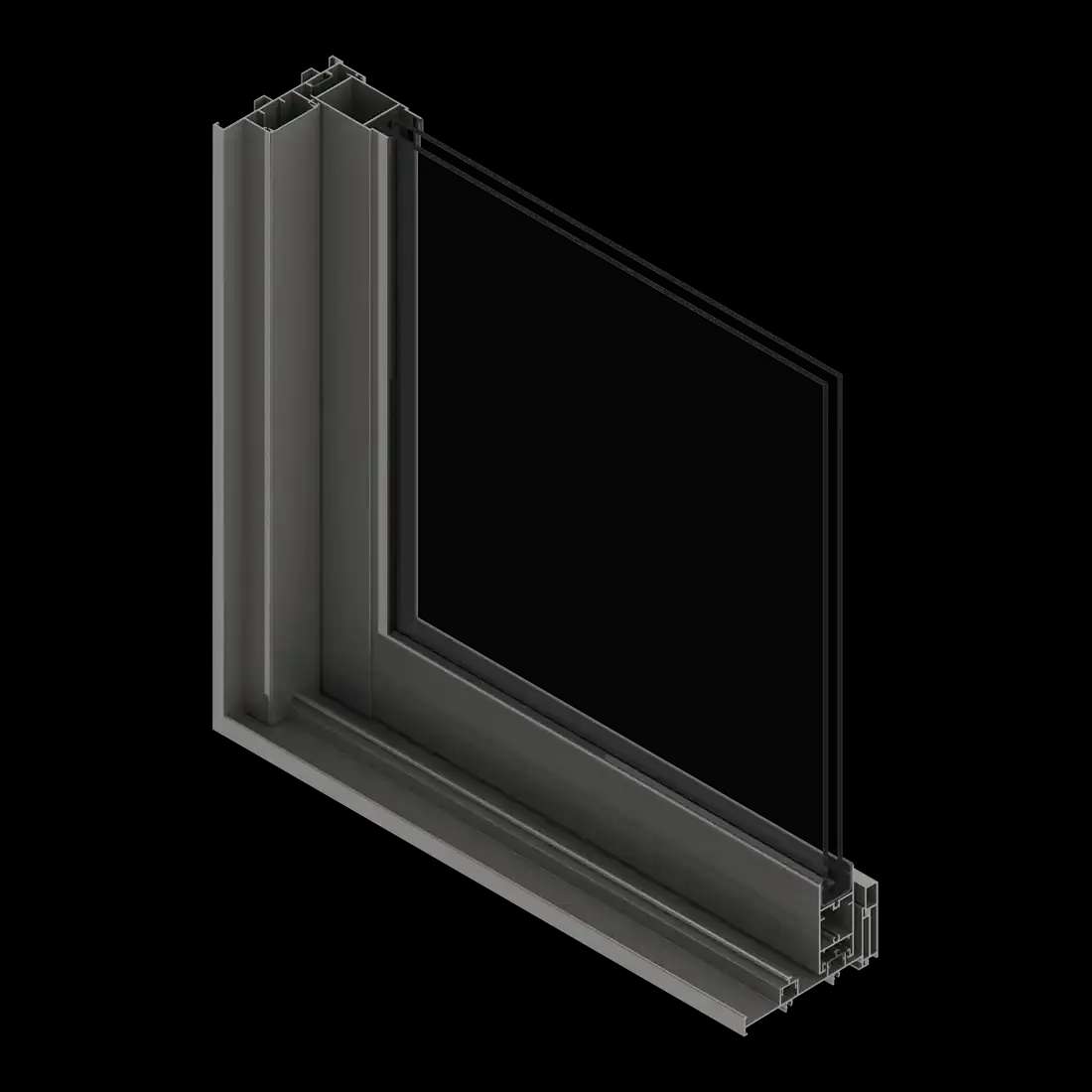
Aluminum-frame impact windows offer the slimmest sightlines and the strongest wind-load ratings of any residential impact-window product — required on coastal-exposure installs and high-rise homes where the engineer specs aluminum based on the ASCE 7 wind calculation. SafeGuard installs aluminum impact windows across PGT WinGuard Aluminum, CGI Sparta, and ES Windows Elite under FL DBPR CGC1532033.
Reviews
Coastal + custom + high-rise
Heavier extrusion + rigid frame geometry passes the ASCE 7 Exposure D wind calc on coastal openings where vinyl falls short. Required by code on most oceanfront installs.
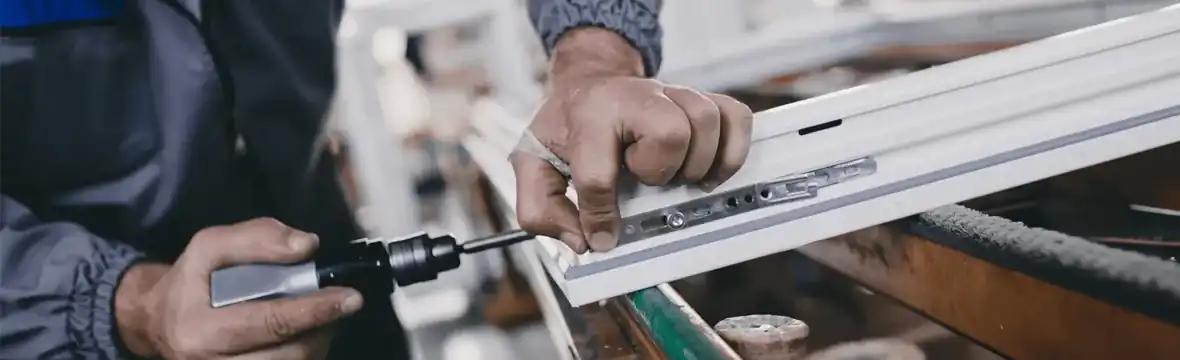
2-3 inch frame profile vs 3-4 inch vinyl — more glass area, cleaner architectural look. Anodized + powder-coat finishes available across the full architectural palette.
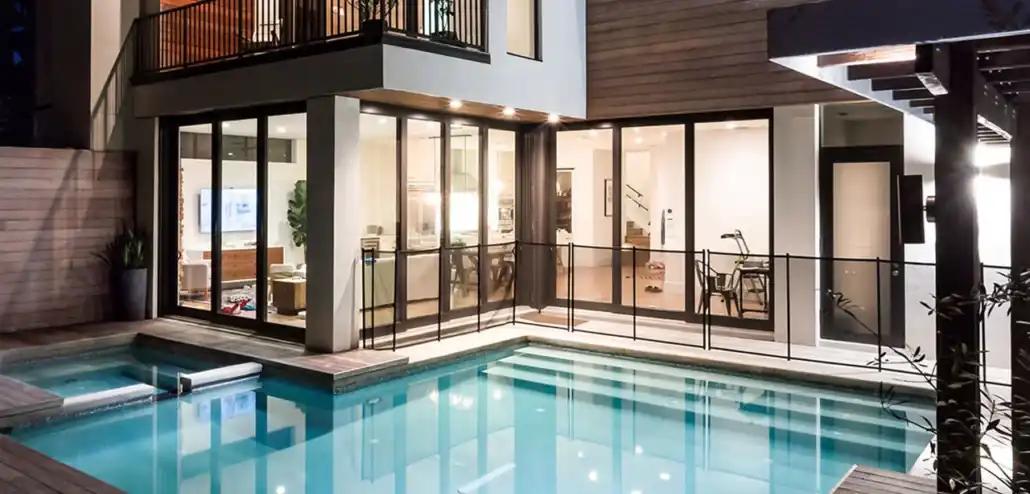
We run the wind-load calculation as part of the engineering submittal. Vinyl where the calc passes (lower cost), aluminum where it doesn't. Hybrid installs are common.
At a Glance
TL;DR
Aluminum impact windows pair extruded aluminum frames (typically thermally broken to prevent heat transfer) with HVHZ-rated laminated glass. They deliver slimmer sightlines than vinyl, stronger wind-load ratings on the same opening, and the architectural finish range custom South Florida homes typically want. SafeGuard installs aluminum-frame impact windows across PGT WinGuard, CGI Sparta, and ES Windows lines.
Aluminum frames matter on coastal exposure. The Florida Building Code uses ASCE 7 wind exposure categories — Exposure C is open-flat-terrain (interior South Florida), Exposure D is coastal/oceanfront. The pressures applied to a window in Exposure D are roughly 25-40% higher than the same opening in Exposure C, and that's why coastal homes typically have to spec aluminum: the heavier extrusion and the rigid frame geometry pass the wind-load calc on openings where vinyl falls short.
Sightlines are the second decision driver. Aluminum extrusion lets manufacturers run a much narrower frame profile (~2-3 inches) than welded vinyl (~3-4 inches), which means more glass area per opening and a cleaner architectural look. On large openings — sliding glass doors, picture windows, oversized casements — the difference is visually significant.
The trade-off is cost. Aluminum-frame impact windows typically run 20-40% more than equivalent vinyl-frame configurations because the extrusion process is more expensive and the engineering required to certify the heavier frame extends per-product NOA testing. SafeGuard installs aluminum where the engineer specs it (coastal exposure, custom builds, oversized openings) and recommends vinyl where it passes (inland, owner-occupied production homes).
| Aluminum frame | Vinyl frame | |
|---|---|---|
| Wind rating ceiling | Up to 175+ mph | Up to 175 mph (configuration-dependent) |
| Sightline width | 2-3 inches (slim) | 3-4 inches (wider) |
| Frame strength | Heavier — required for coastal exposure | Lighter — best for inland exposure |
| Color options | Full architectural palette | Standard white + bronze + tan + black |
| Thermal performance | Requires thermal break (engineered) | Native vinyl insulation |
| Cost band | Premium-tier (+20-40% vs vinyl) | Value-tier |
| Best fit | Coastal · high-rise · custom · oversized | Inland · owner-occupied · production |
| Lifespan | 40+ years (no UV degradation) | 30+ years (UV-stable formulations) |
Answer
Spec aluminum on coastal-exposure (ASCE 7 Exposure D) installs, on oversized openings (sliding glass doors over 8' wide, picture windows over 4' tall), on custom builds with architectural finish requirements, and on high-rise residential. Stay with vinyl for inland production homes where the wind-load calc passes and the aesthetic is white-or-bronze standard.
Spec aluminum when: - Property is in ASCE 7 Exposure D (coastal/oceanfront/within 1500 ft of large open water) - Opening exceeds vinyl-frame size limits (typically 50 sq ft for sliders, 30 sq ft for picture windows) - Architecture requires a non-standard frame color or anodized finish - High-rise residential (typically 4+ stories) - HOA aesthetic rules specify aluminum-frame (some Boca Raton, Aventura, and Sunny Isles HOAs do)
Stay with vinyl when: - Property is in ASCE 7 Exposure C (inland) and the wind-load calc passes - Owner-occupied single-family home with standard opening sizes - HOA aesthetic is satisfied by white/bronze/tan/black - Budget is the constraint
We run the ASCE 7 calculation as part of the engineering submittal — homeowners don't have to pre-decide which frame works. We'll spec the right material for each opening and present the cost difference in the proposal.
From our project library
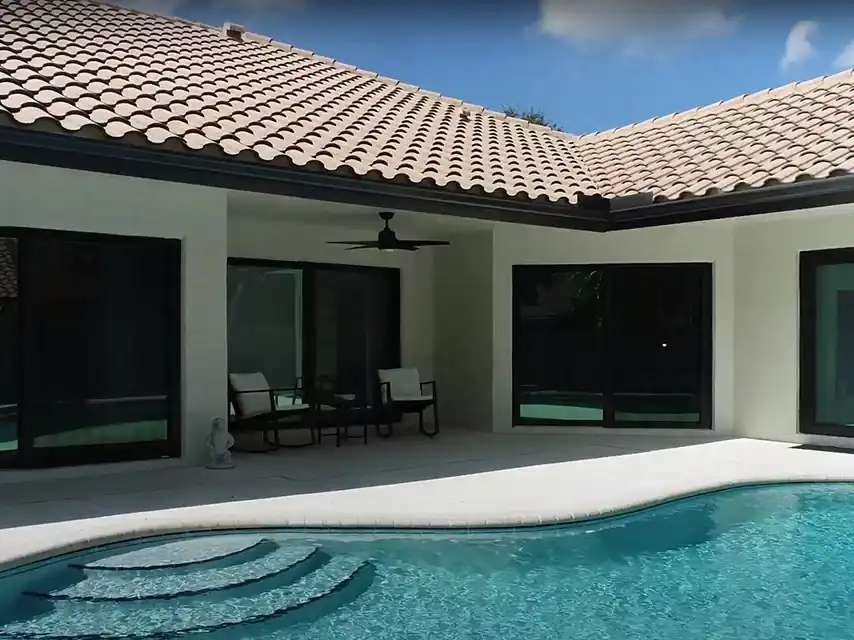
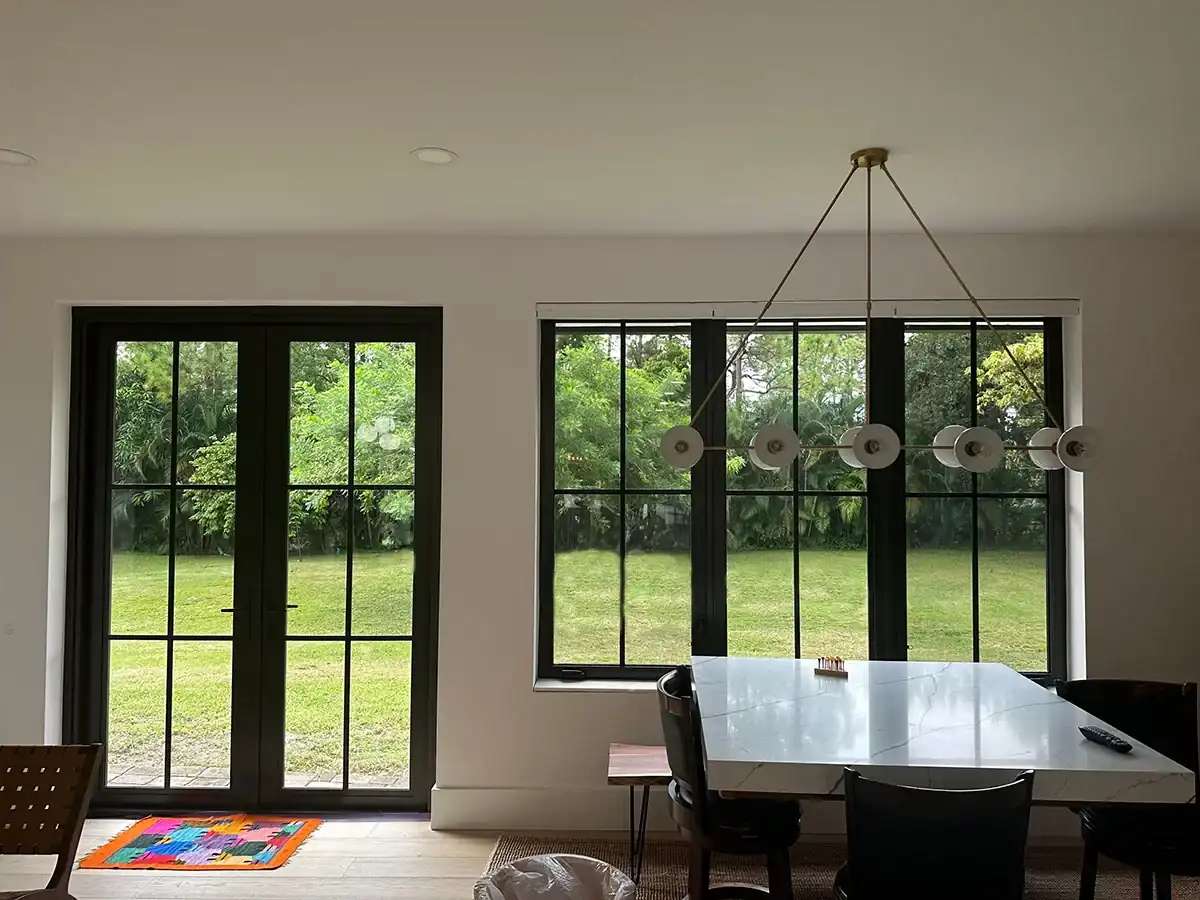
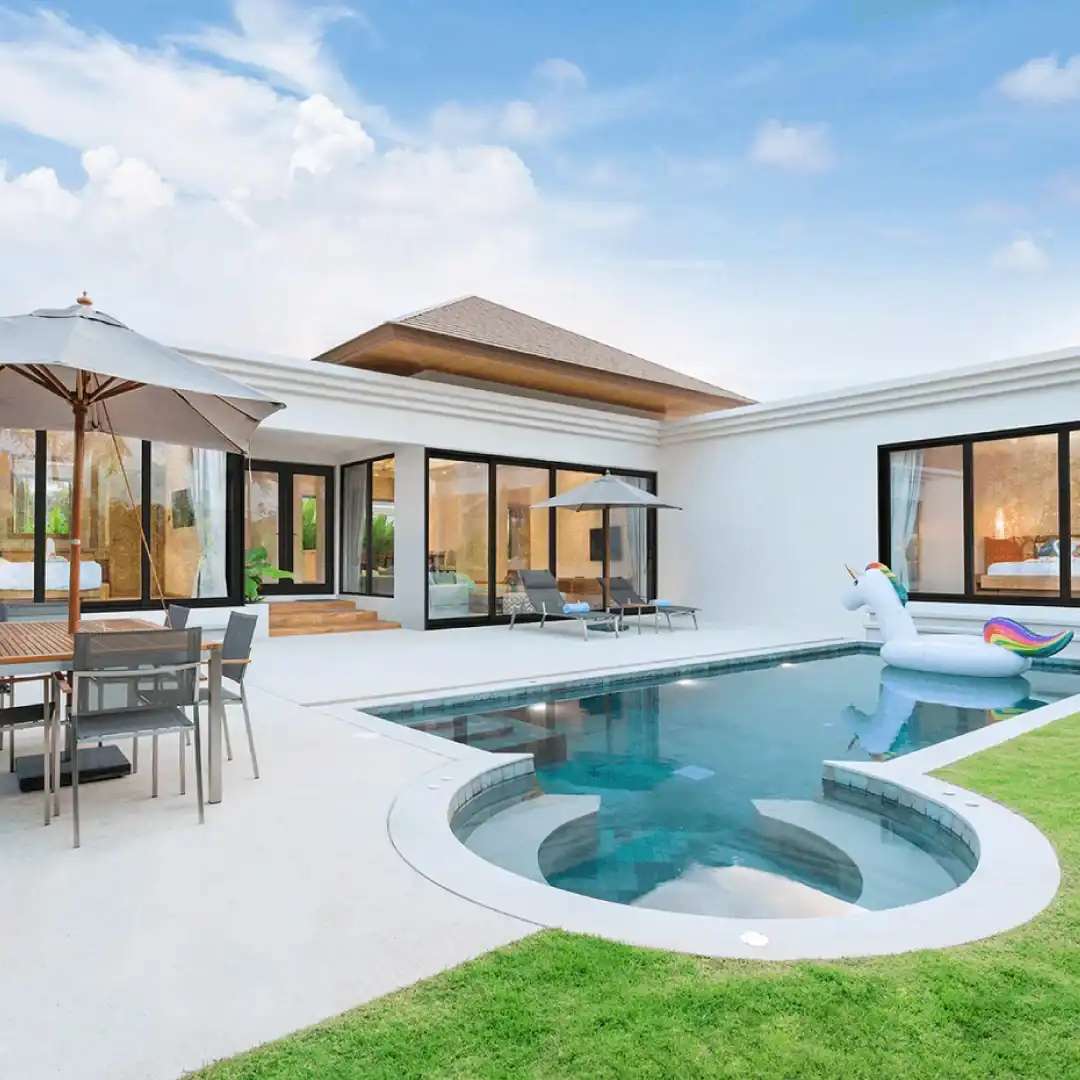
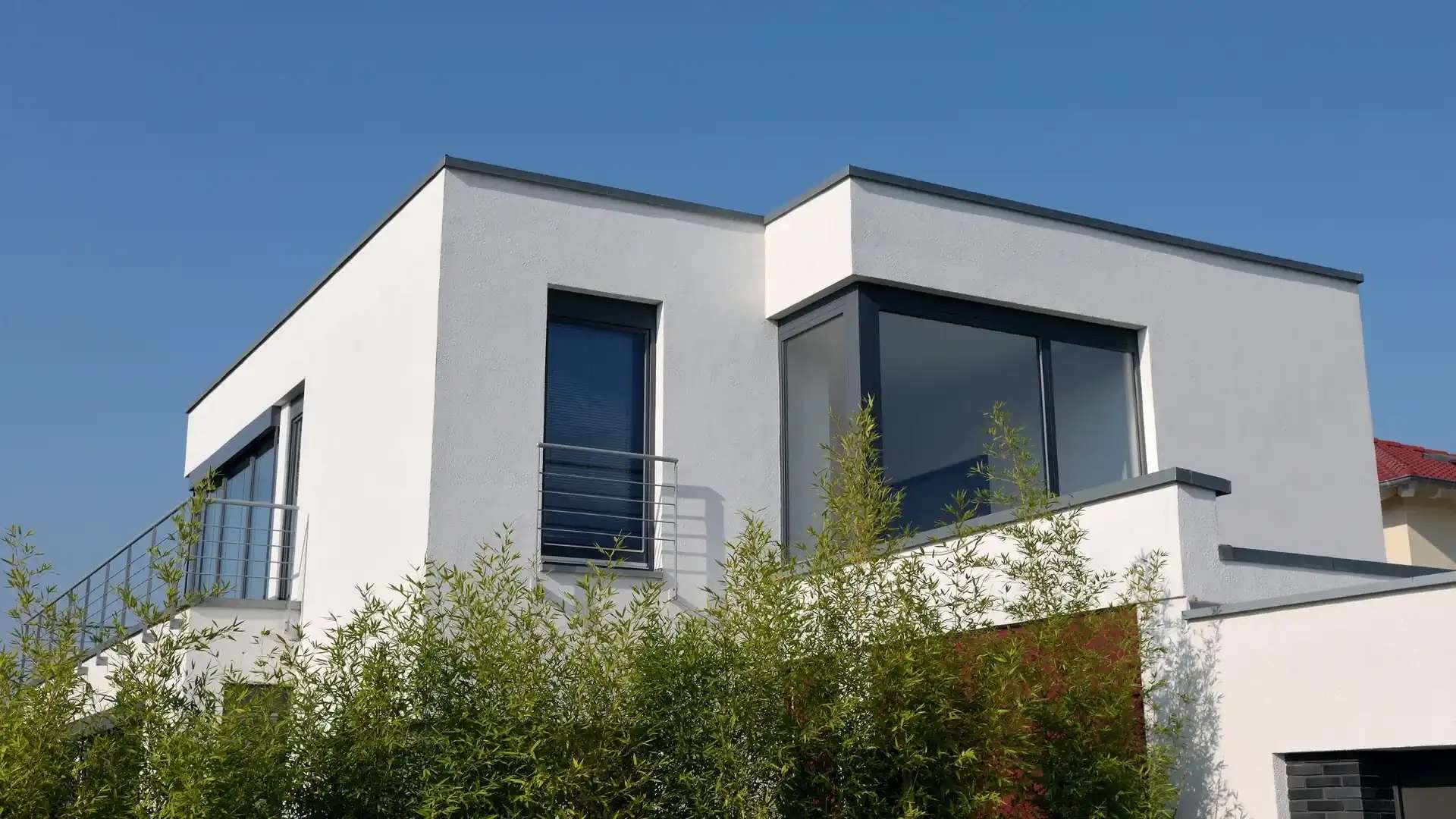
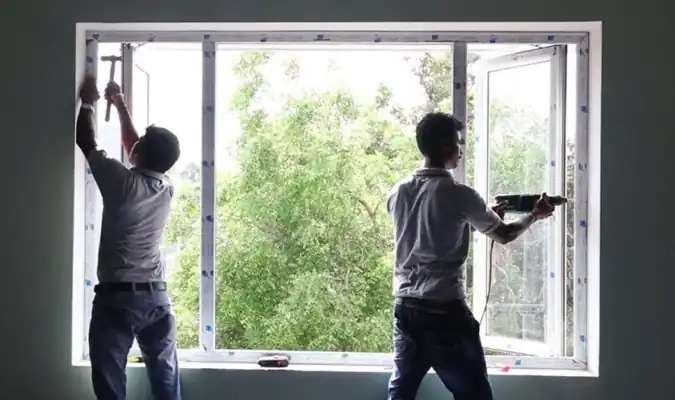
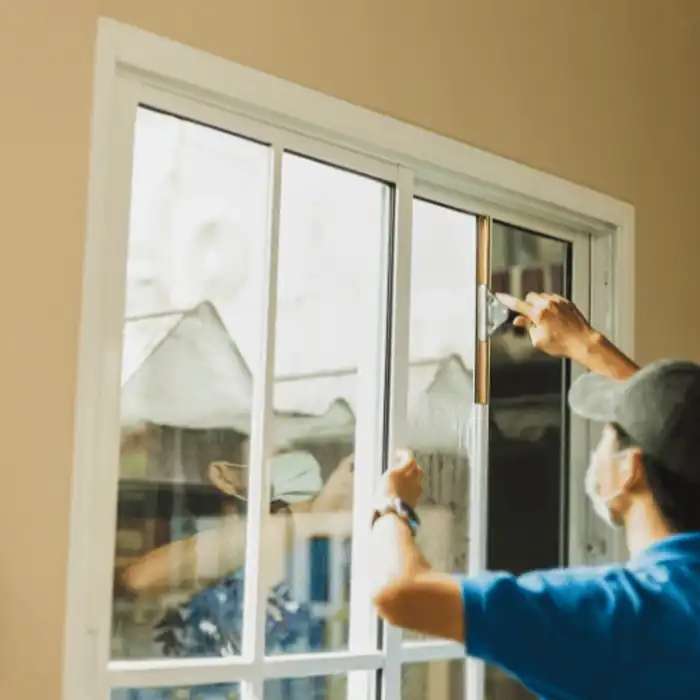
Real SafeGuard installs from the JobNimbus library — PGT WinGuard Aluminum + CGI Sparta + ES Windows configurations across the four counties we serve.

Project scope
PGT's premium-tier aluminum line — Miami-Dade NOA, lifetime limited warranty, slim sightlines. Best fit for coastal-exposure owner-occupied homes.
Learn moreCGI's value-tier (Sparta) and architectural-tier (Sentinel) aluminum lines. Best fit for whole-home aluminum aesthetics and high-rise installations.
Learn morePremium architectural aluminum from the NYSE-listed TGLS manufacturer. Right call for luxury custom builds with oversized openings and specialty profiles.
Learn morePella-owned (acquired 2020), Ocala FL plant — CWS 540 aluminum impact line for coastal exposure, in-state lead times, fast replacement-parts service.
Learn moreReplace every window in the home with aluminum-frame impact glazing in a single permit. Maximum insurance discount, cleanest architectural match across openings.
Learn moreAluminum on storm-facing elevations and oversized openings, vinyl on interior elevations. Common compromise for coastal homes managing budget while meeting wind-load code.
Learn moreAluminum-frame impact entry, French, sliding, and patio doors — same NOA + slim sightline + wind-rating advantages as the window product.
Learn moreFrequently asked
Yes — aluminum-frame impact windows pass HVHZ code (TAS 201/202/203) and carry Miami-Dade NOA across the major brands (PGT WinGuard Aluminum, CGI Sparta + Sentinel, ES Windows). Aluminum is required by the engineer's wind-load calculation on most coastal-exposure (ASCE 7 Exposure D) installs because the heavier extrusion and rigid frame geometry handle the higher wind pressures that vinyl frames can't. The trade-offs: ~20-40% higher cost than vinyl, and modern aluminum requires a thermal break (polymer separator) to match vinyl's thermal performance.
Yes — every major South Florida impact-window manufacturer (PGT WinGuard, CGI, ES Windows, Eco Window Systems) makes hurricane-impact-rated aluminum-frame products that pass HVHZ code. The aluminum frame is paired with laminated impact glass, the assembly is tested as a single sealed unit to TAS 201 (large-missile impact), TAS 202 (cyclic pressure), and TAS 203 (uniform load), and the resulting Miami-Dade NOA covers the assembly. Aluminum is actually required on most coastal-exposure installations where vinyl can't pass the wind-load calc.
Three: (1) cost — aluminum runs ~20-40% more than equivalent vinyl-frame configurations because the extrusion process is more expensive and engineering certification is more involved; (2) thermal performance — aluminum is more thermally conductive than vinyl, which is why modern impact-rated aluminum products include a thermal break (a polymer separator inside the frame) to match vinyl's insulating performance; (3) condensation — without proper installation and the thermal break, aluminum frames can show condensation in extreme conditions. The thermal-break NOA is comprehensive across PGT, CGI, and ES Windows so this is a non-issue on properly specced installs.
Three: (1) upfront cost — impact windows run roughly $500–$1,800 per opening installed depending on frame material and brand, vs ~$200–$500 for non-impact replacement; (2) sound — laminated glass can add 30-40 dB of sound insulation, which is usually a benefit but means street noise becomes more noticeable when windows are closed; (3) UV/glare — impact glass tints differ from non-impact glass and may shift the interior light quality slightly. The wind-mitigation insurance discount, hurricane-prep elimination, forced-entry resistance, and resale value impact typically offset the upfront cost across the life of the home.
Modern aluminum-frame impact windows include a thermal break (a polymer or polyurethane separator inside the frame extrusion) that significantly reduces heat conduction. Combined with Low-E glazing, an aluminum impact window can match the thermal performance of a vinyl-frame product within 5-10% — and it carries the structural advantages aluminum provides. The thermal-break NOA is comprehensive across PGT, CGI, and ES Windows.
Aluminum impact-window installation runs roughly $700–$1,800 per opening installed depending on size, brand, glass tier, and finish. That's typically 20-40% more than equivalent vinyl-frame configurations. A whole-home aluminum install on a 2,000 sq ft single-family home typically lands between $30,000 and $60,000 with permit. The premium covers the heavier extrusion, the architectural finish range, and the wind-load capacity for coastal exposure.
Often yes. Florida's ASCE 7 wind-exposure categories increase wind pressures on coastal-zone openings by 25-40%. The wind-load calculation on coastal homes typically rules out vinyl frames at the larger opening sizes (sliders over 8' wide, picture windows over 4' tall, master bedroom windows on storm-facing elevations). The engineer's calc determines this per opening — we run it as part of the engineering submittal so homeowners know which openings can be vinyl and which must be aluminum.
Aluminum-frame impact windows typically last 40+ years in South Florida. Aluminum doesn't UV-degrade or deform under heat the way some vinyl formulations can, and the extrusion holds geometry under decades of wind cycling. The seal between the laminated glass and the frame is the typical service item — lifetime warranties from PGT and architectural-tier coverage from CGI/ES Windows handle that for the original homeowner.
PGT WinGuard Aluminum (sister to vinyl WinGuard, lifetime limited warranty), CGI Sparta + Sentinel (slim aluminum specialty, MITER Brands), and ES Windows Elite + Prestige (premium architectural, NYSE-listed TGLS parent). All three pass Miami-Dade NOA across their aluminum lines. We typically recommend PGT WinGuard Aluminum for owner-occupied homes, CGI Sparta for whole-home aluminum aesthetics on a budget, and ES Windows for luxury custom builds with oversized openings.
Yes. Most South Florida HOAs permit it, and the engineering calculation often supports it (storm-facing elevations get aluminum, interior elevations stay vinyl). The aesthetic match isn't perfect from the inside if the frame colors differ, but identical exterior color matches between vinyl and aluminum frames are widely available across PGT and CGI. We often spec a hybrid for budget-sensitive coastal homes — aluminum where required, vinyl where allowed.
Free in-home estimate that includes the ASCE 7 wind-load calculation + brand comparison + permit pathway in writing — sealed plans, NOA verification per opening, Notice of Commencement, and inspections.
Content Disclosure
This article is provided for general information only and reflects current Florida Building Code requirements, common South Florida construction practices, and SafeGuard's field experience. Actual project costs, permit requirements, material availability, and timelines vary based on your home, municipality, and project scope. Florida law requires that any residential construction work over $1,000 be performed by a licensed contractor — always consult a Florida-licensed contractor before starting an impact-window, impact-door, or roofing project and verify credentials at myfloridalicense.com. This guidance is not a substitute for a project-specific estimate or on-site evaluation by a licensed professional.